

You are 45. Your period came 42 days late, you can't sleep past 3am, and you were short with your kids this morning for no reason. You tell yourself you are just stressed. You might be in perimenopause.
Perimenopause is the transition before menopause, when ovarian hormones start to fluctuate. In Malaysia the average woman reaches menopause at about 50.7 years, and perimenopause can start up to a decade before that — so your mid-30s to late-40s are prime perimenopause years, not "too young."
Why Malaysian women miss perimenopause signs
Guardian Malaysia estimates that 3.59 million Malaysian women aged 35 to 49 will go through perimenopause over the next decade. Yet many never put a name to perimenopause. In their nationwide survey, hot flushes were often blamed on the KL weather, and mood changes were brushed off as personality or stress.
A 2025 Malaysian survey covered by The Star found that for local women in perimenopause, joint pain, sleep problems, brain fog, mood swings and digestive issues were more common than the classic Western hot flush. Among Malay women, fatigue was the most frequent perimenopause complaint. If you have been Googling your symptoms one by one — sleep, period, mood, tiredness — perimenopause may be the thread tying them together.
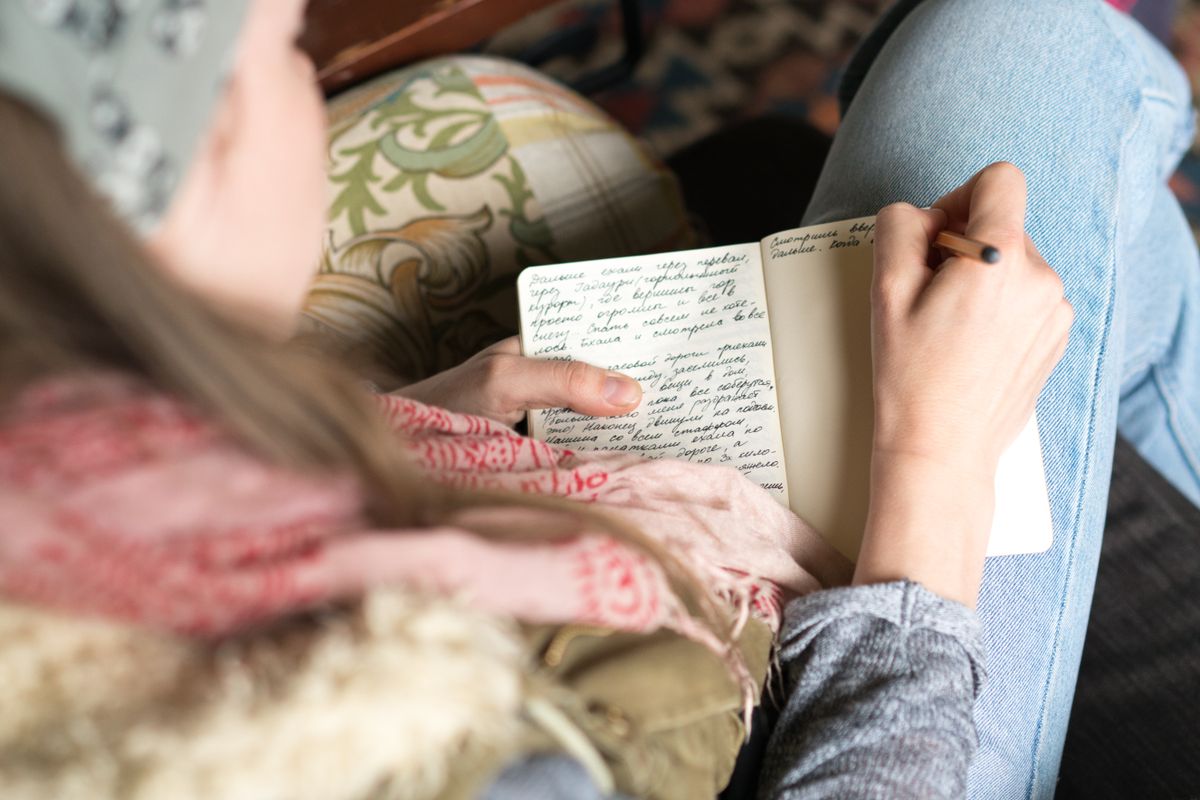
7 common signs of perimenopause in Malaysian women
- Periods that lose their rhythm. Perimenopause cycles come 20 days apart, then 50; flow is lighter one month, floods the next.
- Night sweats that soak the pillow even with the fan on and aircon at 24°C.
- Waking at 3–4 am and lying awake until the subuh azan — a very common perimenopause pattern.
- Short fuse with your kids, your spouse, your makcik at the pasar — then guilt afterwards.
- Brain fog: you walked to the kitchen for something and now cannot remember what.
- Joint aches in the fingers, knees or hips, especially mornings.
- Fatigue that no amount of kopi fixes — the kind that comes back by lunch.
Any one of these on its own is nothing special. Three or four at the same time, in your 40s, when your cycles are also drifting, is the pattern worth paying attention to. The NHS lists these same clusters as the main perimenopause changes, which doctors confirm by your symptoms and age, not usually by a blood test.
Why perimenopause feels like your body is working against you
During perimenopause, estrogen and progesterone no longer rise and fall predictably. That ripple hits almost every system — temperature control, sleep, mood, bone turnover, even your gut. It is not in your head. One 2025 meta-analysis of 12 trials in perimenopausal women found that perimenopause symptoms are broad — headaches, mood, palpitations, depression — not just the hot flashes most of us associate with "the change."
What to do when you suspect perimenopause
Track your periods and perimenopause symptoms for three months. Something as simple as a notebook or a phone app that marks period, mood, sleep and energy. Then see a GP you trust — ask specifically about perimenopause, not "my period is weird." Rule out thyroid and iron with a blood test, since those symptoms overlap. If you need a doctor familiar with midlife care, the Malaysian Menopause Society keeps a registry called MenoDoc.
Once perimenopause is on the table, your plan becomes clearer: sleep hygiene, strength training for bones, calcium and vitamin D for later, less alcohol and caffeine late in the day, and nutritional support that works alongside — not instead of — what your doctor recommends for perimenopause.

Where Hishin Hemogreen fits in your perimenopause routine
Many women tell us the hardest part of perimenopause is simply feeling off every day — tired, puffy, foggy, run-down. That is where some add nutritional support alongside the lifestyle changes above.
Hishin Hemogreen 云芝仙人掌 is a KKM-registered botanical wellness drink for women, formulated in Japan and produced under ISO, GMP and HACCP certifications. Each 8g sachet brings together four whole-plant ingredients:
- Turkey Tail mushroom (Trametes versicolor) — studied for immune support in women, helping the body's natural defences
- Oligo-fucoidan from Japanese brown seaweed — researched in women's uterine wellness, supporting a healthy internal environment
- Mexican cactus powder (Opuntia ficus-indica) — associated with lower inflammatory markers in a small human study
- Italian broccoli extract (sulforaphane) — studied in women as a plant-based antioxidant
Mix one sachet with 150–200ml of warm (not hot) water, first thing in the morning. Hemogreen works alongside the habits above, not instead of your doctor's advice.
The bottom line on perimenopause
Perimenopause is not a sudden stop; it is a long, often confusing transition. If you are a Malaysian woman in your late 30s or 40s and your body feels like someone changed the dial without telling you, perimenopause is likely the reason — and knowing that is already half the battle. Track, test, talk to a doctor, and support your body gently. In part two, we share seven practical things Malaysian women can do today to feel better in perimenopause.
Learn more about Hishin Hemogreen →
Individual results vary. Hishin Hemogreen is a dietary supplement, not a substitute for medication or medical advice. Not suitable for pregnant or breastfeeding women, children, or those allergic to mushrooms, seaweed, cactus, or soy. Please consult your doctor before starting any supplement, especially if you are on medication.
Daily wellness, from your first sip.
Hishin Hemogreen is a KKM-registered botanical wellness drink for women — four whole-plant ingredients, Japan-formulated. One sachet in warm water each morning.
Explore Hemogreen →