The Hemogreen Journal

Women's health, in plain words.

Real talk on perimenopause, periods, energy and the small daily shifts that help Malaysian women feel like themselves again.

Brighten skin naturally

How to Brighten Skin Naturally — 6 Habits That Actually Work
The Hemogreen Journal·October 2026·4 min read
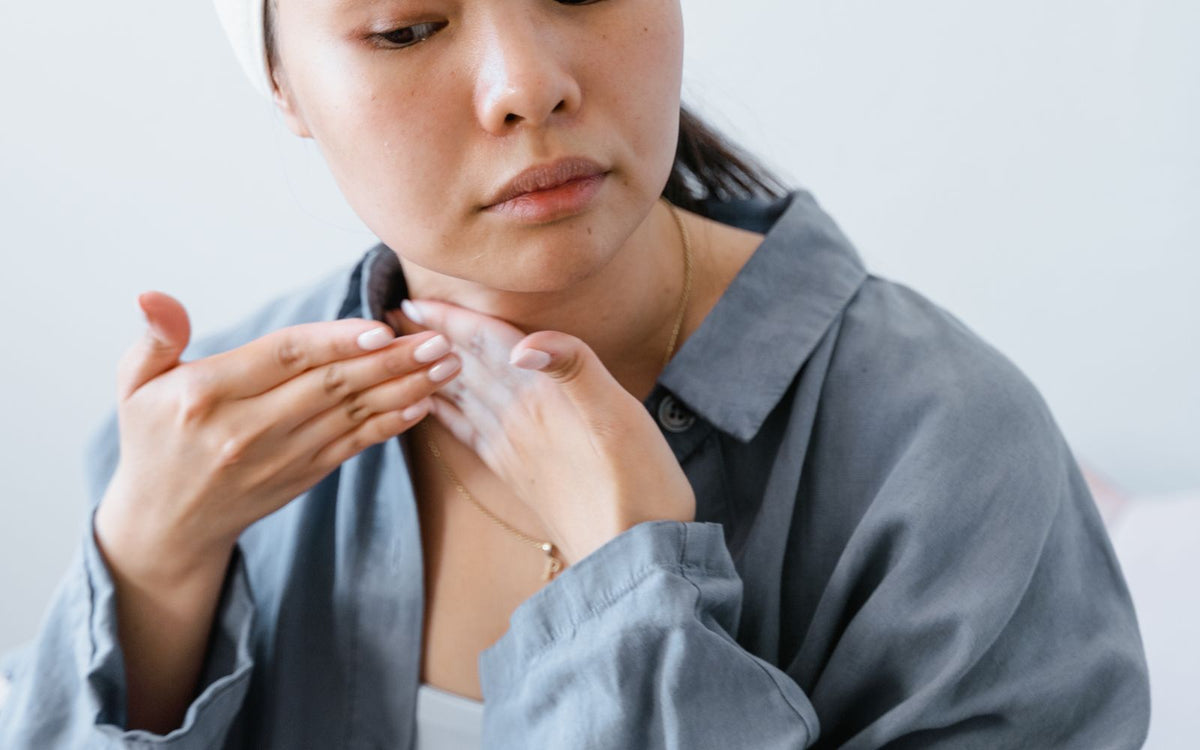
Asian woman with naturally bright and glowing skin after routine care

Your friend from Johor sends you a selfie. She's 44 and her skin looks lit from inside. You, same age, look at your own mirror and see flat. The urge is to buy a RM300 serum. The thing that actually works? Six quiet habits — and most are free.

To brighten skin naturally means helping it do what it already does — reflect light, hold moisture, turn cells over — rather than coating it in product. The Cleveland Clinic's skin basics and the NHS live-well guidance both agree: the biggest wins come from habits, not shelves of product.

What it means to brighten skin naturally

Natural brightening is not bleaching — nothing you do at home changes your underlying skin tone. What you can change is clarity (less dead-cell buildup), evenness (less uneven pigment and redness), and radiance (better hydration and blood flow). That's what reads as "glowing" in real life.
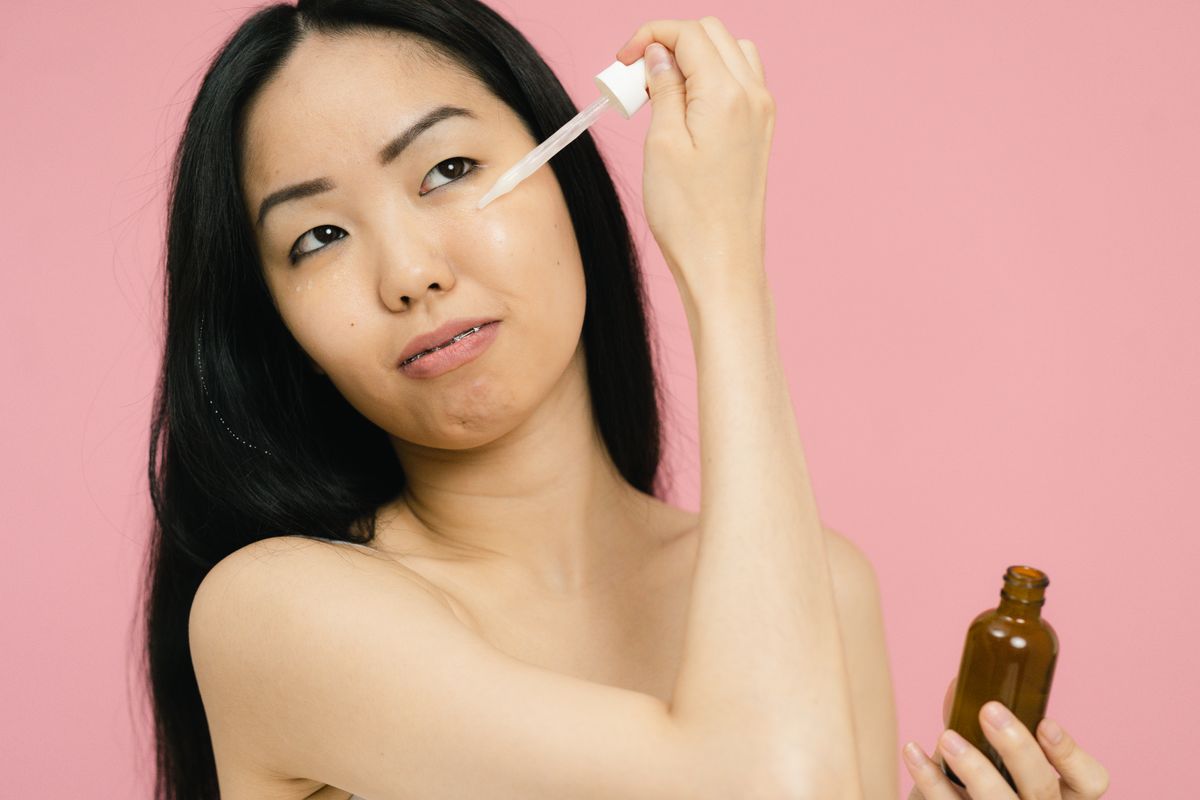
Woman with naturally brightened skin after routine care

6 habits to brighten skin naturally for Malaysian women

1. Sleep seven hours — the free facial

Skin repairs between midnight and 3am. Three nights at 5 hours a week shows up as dullness by Thursday. If you want to brighten skin naturally and spend nothing, this is the move.

2. Drink water the whole day, not in bursts

Chugging 1L at 4pm doesn't help skin — your kidneys deal with it in 90 minutes. Instead, 200ml with every meal and sips in between. In the KL heat, aim for roughly 2L a day. Warm or cool both work.

3. Daily sunscreen — the one non-negotiable

Ninety percent of what people call "aging skin" is UV damage. SPF 30+ every morning, even on cloudy days. The NHS sun-safety guidance is clear that daily sunscreen is the single most protective skin habit. Nothing else you do to brighten skin naturally sticks if you skip this.

4. Eat a Pinggan Sihat plate most meals

Half vegetables and fruit, a quarter protein, a quarter carbs. The Ministry of Health's Pinggan Sihat plate quietly delivers vitamin C, carotenoids, zinc and omega-3s — the four nutrients most strongly linked to skin clarity.

5. Move daily — just enough to sweat lightly

Twenty minutes of brisk walking brings blood to the skin, which carries nutrients in and takes waste out. A small study on exercise and skin aging found visible changes in skin layers in older adults who started regular exercise.

6. Gentle cleanse + weekly exfoliation

Twice-daily foaming washes strip the barrier of women past 30. Switch to a creamy or gel cleanser. Add a glycolic or lactic acid exfoliant once or twice a week. That alone can brighten skin naturally within a month.

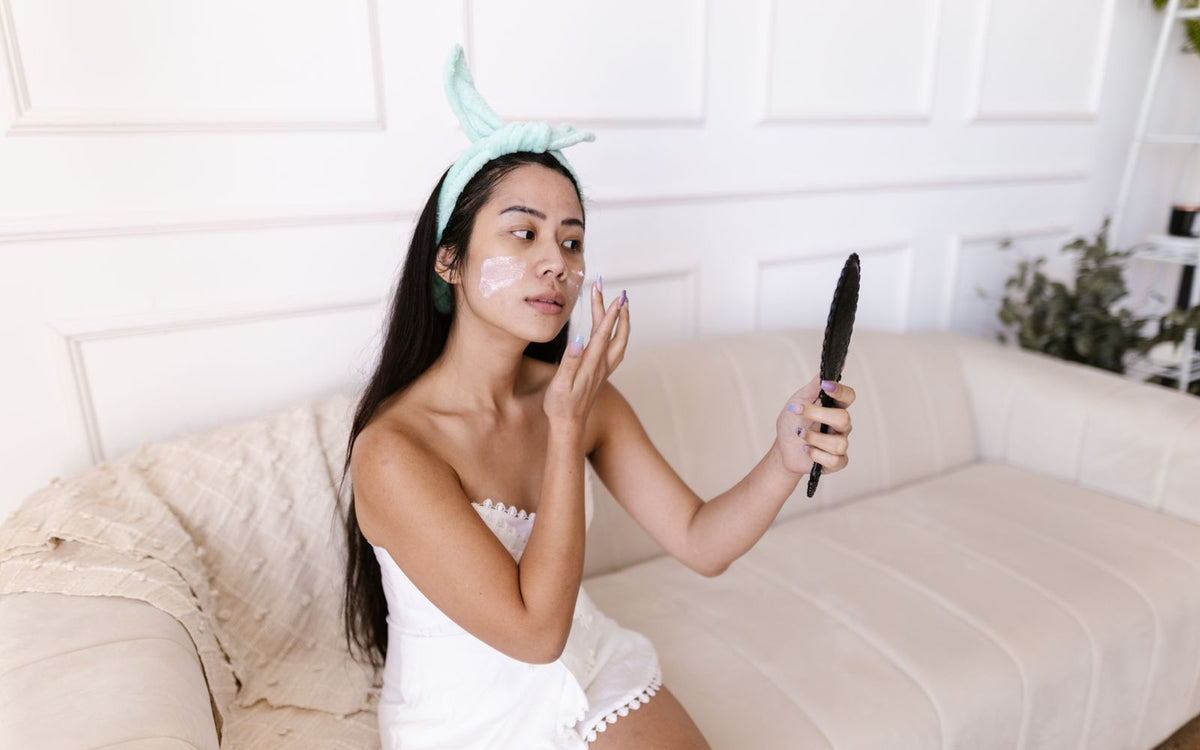
Asian woman applying skincare to brighten skin naturally

Natural ingredients worth looking at

  • Vitamin C serum — one of the most-studied topical ingredients for fading pigment and brightening dull skin.
  • Niacinamide — gentle, well-tolerated, evens out tone over 8–12 weeks.
  • Centella asiatica (daun pegaga) — a familiar local plant that calms redness, often found in Korean brightening lines.
  • Green tea extract — antioxidant polyphenols that defend against UV damage.
  • Honey masks — a traditional habit with a mild humectant effect; nice, not transformative.

Patch-test any new product on your inner forearm for two nights before putting it on your face. Skin reacts to products you've used safely before, especially after perimenopause starts.

Things that don't actually brighten skin naturally

Lemon juice on the face (too acidic, triggers pigment), toothpaste on blemishes (strips the barrier), aggressive scrubbing (microtears), and "whitening" pills with no visible MAL number. Check the NPRA Quest3+ database for any supplement before you buy it.

When "natural" isn't enough

If you've got stubborn melasma, deep sun damage, or significant dullness after 35 that hasn't moved in six months, see a dermatologist. Prescription tretinoin, in-clinic chemical peels and specific laser treatments do things home routines can't match.

Where Hishin Hemogreen fits in your brighten-skin routine

Skincare and lifestyle do the heavy lifting on brightening. Some women add a daily wellness drink alongside — especially when they're also dealing with afternoon fatigue or hormone shifts.

Hishin Hemogreen 云芝仙人掌 is a KKM-registered botanical wellness drink for women, Japan-formulated and produced under ISO, GMP and HACCP certification. Each 8g sachet contains four plant-based ingredients:

Woman with naturally glowing skin after consistent care

Stir one sachet into 150–200ml of warm (not hot) water each morning on an empty stomach. Hemogreen is meant to work alongside the habits above, not instead of them.

The bottom line on how to brighten skin naturally

To brighten skin naturally, do fewer things better: sleep, water, SPF, Pinggan Sihat plate, movement, and gentle cleansing. Hold them for three months and the next selfie your friend sends is the one you take.

Learn more about Hishin Hemogreen →

Individual results vary. Hishin Hemogreen is a dietary supplement, not a substitute for medication or medical advice. Not suitable for pregnant or breastfeeding women, children, or those allergic to mushrooms, seaweed, cactus, or soy. Please consult your doctor before starting any supplement, especially if you are on medication.

Daily wellness, from your first sip.

Hishin Hemogreen is a KKM-registered botanical wellness drink for women — four whole-plant ingredients, Japan-formulated. One sachet in warm water each morning.

Explore Hemogreen →
* Hishin Hemogreen is a dietary supplement, not a substitute for medication or medical advice. Not suitable for pregnant or breastfeeding women, children, or those allergic to mushrooms, seaweed, cactus, or soy. Individual results vary.
Dull skin

Why Your Skin Loses Its Glow After 35

The Hemogreen Journal·October 2026·5 min read
Asian woman with dull skin examining her face in soft light

You hit 36 and the mirror changes. The glow you had at 29 is gone. Makeup sits differently. Your friends say you look tired even when you slept eight hours. Dull skin isn't about aging badly — it's about the half-dozen quiet things that stopped working the way they used to.

Dull skin shows up when the surface stops bouncing light back — it feels flat, slightly rough, sometimes a bit uneven in tone. It isn't a disease, and it isn't inevitable at 35. The Cleveland Clinic explains that skin's radiance comes from a smooth outer layer, good blood flow underneath, and water-balanced cells in between — three things that quietly drop in your mid-30s and early 40s.

Why skin loses its glow after 35

Three things happen in parallel after 35:

  1. Cell turnover slows down from about every 28 days in your 20s to every 40–50 days. Dead cells pile up on the surface and reflect less light — the main driver of dull skin.
  2. Collagen production drops roughly 1% a year, so the structure underneath softens.
  3. Estrogen starts to fluctuate (and later fall) in perimenopause, which means less oil, less water, and thinner barrier function.

You can't stop any of this — but almost all of it responds to boring, consistent care.

Asian woman looking in mirror examining dull skin

7 reasons Malaysian women get dull skin after 35

1. Not enough sleep

Your skin repairs between midnight and 3am. Three nights of 5 hours a week shows up as flatness within a month.

2. Dehydration you don't feel

Dull skin almost always has a water angle. KL heat plus aircon plus three cups of kopi plus 1L of water is a mild dehydration day — and it reads as dull skin by evening.

3. Sun exposure adds up

You drove 20 minutes a day in sun for 15 years. The uneven pigment and the flat tone that reads as dull skin is partly that mileage. Daily SPF 30+, even on cloudy days, is the single most-recommended intervention from the NHS's sun-safety guidance.

4. Skipped exfoliation

No exfoliation = more dead cells on top = duller light reflection. Not everyone needs a scrub; a gentle AHA like glycolic acid 5% twice a week works for most skin types.

5. Stress and cortisol

Chronic stress reduces blood flow to the skin and raises inflammation. Over months, that reads as dull skin and more breakouts in strange places (the jaw especially).

6. Nutrient gaps

Low iron, low vitamin C, low omega-3s all show on the face first. The Pinggan Sihat Malaysia plate (half vegetables, quarter protein, quarter carbs) covers most of these without supplements.

7. Over-cleansing

Twice-a-day foaming cleansers, hot water, strong actives — your 20s skin tolerated this; your 35+ skin does not. Dull skin that also feels tight after washing is a barrier problem.

Woman gently cleansing to prevent dull skin

A simple routine to fight dull skin after 35

Not 12 steps. Six:

  1. Gentle cleanser morning and night. No squeak.
  2. Vitamin C serum in the morning — brightens pigment, protects against free radicals.
  3. SPF 30+ every morning, reapplied if you're outside.
  4. Exfoliation 2x a week, AHA (glycolic or lactic) for most skin types.
  5. Retinoid at night, 2–3x a week to start, prescription or over-the-counter. Builds back cell turnover. The evidence on topical retinoids for photo-ageing and dull skin is one of the strongest in dermatology.
  6. Moisturiser night and morning. With ceramides if your skin feels tight.

When dull skin needs a doctor

Not often — but see a GP or dermatologist if dull skin arrives with yellow tinge (think liver), extreme dryness and hair thinning (think thyroid), or new patches of darker skin that don't fade (think melasma or pigment disorder). Blood tests for ferritin, TSH and vitamin D rule out the common medical causes of dull skin in women over 35.

Where Hishin Hemogreen fits in your dull skin routine

Daily skincare does the heavy lifting on dull skin. Some women look for gentle, daily nutritional support alongside — especially when the dullness arrives alongside afternoon fatigue or perimenopause.

Hishin Hemogreen 云芝仙人掌 is a KKM-registered botanical wellness drink for women, Japan-formulated and produced under ISO, GMP and HACCP certification. Each 8g sachet contains four plant-based ingredients:

Woman applying serum to counter dull skin

Stir one sachet into 150–200ml of warm (not hot) water each morning on an empty stomach. Hemogreen is meant to work alongside the skincare habits above, not instead of them.

The bottom line on dull skin after 35

Dull skin is almost always the sum of small daily losses: slower cell turnover, less water, a bit of UV, a bit of stress. Fix two of the seven habits above, hold them for three months, and your glow comes back without a facial.

Learn more about Hishin Hemogreen →

Individual results vary. Hishin Hemogreen is a dietary supplement, not a substitute for medication or medical advice. Not suitable for pregnant or breastfeeding women, children, or those allergic to mushrooms, seaweed, cactus, or soy. Please consult your doctor before starting any supplement, especially if you are on medication.

Daily wellness, from your first sip.

Hishin Hemogreen is a KKM-registered botanical wellness drink for women — four whole-plant ingredients, Japan-formulated. One sachet in warm water each morning.

Explore Hemogreen →
* Hishin Hemogreen is a dietary supplement, not a substitute for medication or medical advice. Not suitable for pregnant or breastfeeding women, children, or those allergic to mushrooms, seaweed, cactus, or soy. Individual results vary.
Ease pms

How to Ease PMS Naturally — 7 Steps for Malaysian Women

The Hemogreen Journal·October 2026·5 min read
Woman practicing self-care to ease PMS symptoms naturally

Painkillers for the cramps. Chocolate for the mood. A heated pad for the back. By day three your toolkit is empty and the water retention is still there. Most Malaysian women cycle through the same five rescue tricks every month — but the real way to ease PMS is upstream, in the two weeks before it starts.

To ease PMS you have to work with the hormones that cause it, not just chase symptoms. The NHS and most clinical guidelines point to the same core moves — exercise, sleep, salt, magnesium, caffeine — and they work best when you start before day 21, not day 27.

What "ease PMS" actually looks like

To ease PMS doesn't mean eliminating every twinge; it means dropping the week-before-your-period from a 7 to a 3 on your personal scale. For most women that's an afternoon of mild cramps instead of two days in bed, and feeling grumpy for an hour instead of crying at bedtime. Ease PMS this way for two cycles and the fourth cycle is often noticeably softer.

Woman curled up to ease PMS symptoms with rest

7 steps to ease PMS naturally for Malaysian women

1. Walk 30 minutes most days — even in haze

Regular aerobic exercise is the single most consistent habit linked to easing PMS. A 2014 review found meaningful reductions in PMS symptoms with aerobic activity three times a week. In haze, swap the park for mall-walking or a 20-minute YouTube cardio.

2. Cut obvious salt the week before your period

Soy sauce rice, nasi lemak kaw, instant mee. Salt is why your rings get tight and your face looks puffier. The Pinggan Sihat Malaysia plate — half vegetables, quarter protein, quarter carbs — hits lower sodium almost by accident.

3. Protect sleep: 7 hours in bed, not on the phone

Sleep is when progesterone finishes its work. One ragged night during the luteal phase makes every PMS symptom louder the next day. Phone outside the bedroom. Lights off by 11.

4. Magnesium — food first

Dark leafy greens, almonds, pumpkin seeds, dark chocolate 70%+. A small trial of magnesium supplementation found reductions in fluid retention, weight gain, swelling and breast tenderness in women with PMS — but by the second cycle, not the first. Patience.

5. Cut caffeine from day 21

The teh tarik and kopi O that fuel the first half of your cycle amplify anxiety and breast tenderness in the second half. Switch to one cup in the morning only, and chamomile or warm water from 3pm.

6. Vitamin B6 from food

Chicken, tuna, salmon, pisang, chickpeas and potatoes carry B6, which the body uses to make serotonin. A banana with your morning oats, chicken with your rice at lunch, salmon or dhal at dinner covers it most days.

7. Track two cycles before judging progress

PMS varies cycle to cycle. Pick two changes, hold them for 60 days, and journal three symptoms (mood, bloating, sleep) each day. Only then decide what's helping. Flo, Clue or just an exercise book works.

Woman practicing gentle yoga to ease PMS symptoms

What NOT to do when trying to ease PMS

  • Don't DIY heavy supplements. Evening primrose oil, St John's wort, high-dose B6 — some interact with medications and antidepressants. Ask a pharmacist first.
  • Don't skip meals. Blood-sugar dips in the luteal week amplify mood swings. Three real meals, two small snacks.
  • Don't drink your way through it. Alcohol worsens most PMS symptoms the day after.
  • Don't ignore red flags. If your PMS is making you feel hopeless or you're having thoughts of self-harm, that is a different diagnosis (PMDD) and needs a doctor — fast.

When to see a doctor if these steps don't ease PMS

If after two to three cycles of these habits you're still having PMS symptoms that stop you from working, sleeping, or being civil to the people you love, book a GP. Treatments like SSRIs taken only in the luteal week, or specific hormonal therapies, work very well for PMS and PMDD when lifestyle alone isn't enough. The underuse of medical help for PMS and perimenopause is one of the main reasons Malaysian women suffer longer than they need to.

Where Hishin Hemogreen fits in

Hishin Hemogreen 云芝仙人掌 is a KKM-registered botanical wellness drink for women, Japan-formulated and produced under ISO, GMP and HACCP certification. Each 8g sachet contains four plant-based ingredients:

Woman holding warm compress to help ease PMS cramps

Stir one sachet into 150–200ml of warm (not hot) water each morning on an empty stomach. Hemogreen is meant to work alongside the habits that ease PMS above — not instead of them.

The bottom line on how to ease PMS

You can't change the cycle — but you can soften the week before it. To ease PMS, pick two steps from this list, start them before day 21, and hold the line for two months. The women who ease PMS most are usually the ones who started earliest in the cycle.

Learn more about Hishin Hemogreen →

Individual results vary. Hishin Hemogreen is a dietary supplement, not a substitute for medication or medical advice. Not suitable for pregnant or breastfeeding women, children, or those allergic to mushrooms, seaweed, cactus, or soy. Please consult your doctor before starting any supplement, especially if you are on medication.

Daily wellness, from your first sip.

Hishin Hemogreen is a KKM-registered botanical wellness drink for women — four whole-plant ingredients, Japan-formulated. One sachet in warm water each morning.

Explore Hemogreen →
* Hishin Hemogreen is a dietary supplement, not a substitute for medication or medical advice. Not suitable for pregnant or breastfeeding women, children, or those allergic to mushrooms, seaweed, cactus, or soy. Individual results vary.
Hormones

Why Your PMS Symptoms Get Worse in Your 40s

The Hemogreen Journal·October 2026·5 min read
Woman holding abdomen with worsening PMS symptoms in her 40s

You're 42. Your PMS used to be a mild ache and a bar of chocolate. Now the week before your period you're crying at Astro commercials, bloated two kg heavier, snapping at your husband and awake at 3am for no reason. Your PMS symptoms didn't appear overnight — your hormones changed.

PMS symptoms are the physical and mood changes that show up in the one to two weeks before your period and ease once it starts. In your 20s they are usually a cramp and some mood dip; in your 40s they often turn into something bigger, because perimenopause sits on top of the normal cycle and amplifies everything. The NHS lists over 100 recognised PMS symptoms, and most of them get worse with age.

Why PMS symptoms get worse in your 40s

In your 40s the ovaries start to skip beats. Some months you ovulate strongly and progesterone surges; the next month you barely ovulate and progesterone stays low. Estrogen can also spike unpredictably. These two hormones are the main drivers of PMS symptoms, so the swings mean the week before your period becomes louder than it ever was in your 20s or 30s.

At the same time your body makes less serotonin in response to estrogen drops, which is why mood symptoms often arrive first. Add the sleep problems common to Malaysian women in midlife and you have the recipe for a tough luteal phase.

Malaysian woman in her 40s resting with PMS symptoms

7 PMS symptoms that get worse in your 40s

1. Bigger mood swings

Irritability becomes rage. Sadness becomes crying at a drama. The week before your period feels like someone else is driving.

2. Breast tenderness that lasts longer

You might start to feel sore 10 days before, not 3. Wearing a wire-free bra at home becomes non-negotiable.

3. Bloating and water retention

Rings tight, scale up 1–2 kg in a few days. See our guide on reducing water retention naturally — it is one of the most common PMS symptoms in your 40s.

4. Insomnia the week before your period

You fall asleep fine, then wake at 3am and lie awake. Progesterone dropping has a sedating-withdrawal effect — the trick is that you don't notice it until the sleep is already broken.

5. Migraine or stronger headaches

Falling estrogen triggers hormonal migraine. If you now get one monthly, time it — if it lands days 23–28 of your cycle, estrogen is likely the trigger.

6. Fatigue that doesn't fix with coffee

Different from the always-tired of thyroid or anaemia — this one has a pattern, worse the week before, better once your period starts.

7. Food cravings that hijack your evening

Carbs, chocolate, salty things. Serotonin dips make your brain hunt for the fastest substitute, which is why one Milo tin becomes three biscuits.

When PMS symptoms need a doctor, not a tweak

See a GP if any of this sounds like you:

  • PMS symptoms are destroying your relationships or your work — not just annoying, but functionally disabling.
  • You feel hopeless, worthless, or have thoughts of self-harm in the premenstrual week.
  • Your periods have become very heavy, very long, or very irregular on top of PMS.
  • Headaches with vision changes, chest pain, or breathlessness.

The first two can be premenstrual dysphoric disorder (PMDD), not just PMS — it affects about 3–8% of women and responds to specific treatment. Don't tough it out.

Woman holding abdomen with cramps as PMS symptoms worsen in 40s

What actually eases PMS symptoms in your 40s

The evidence on PMS symptom management consistently points to the same handful of changes: regular aerobic exercise, cutting salt and refined carbs in the luteal week, adequate magnesium and B6, and 7+ hours of sleep. Nothing exotic — but harder to actually do once you're 42, working full time and feeding a family. We cover the step-by-step in how to ease PMS naturally.

Where Hishin Hemogreen fits in

Many women in their 40s tell us the hardest part of PMS is simply feeling off for ten days every month — puffy, moody, foggy, tired. That is where some add a daily wellness drink alongside the lifestyle changes above.

Hishin Hemogreen 云芝仙人掌 is a KKM-registered botanical wellness drink for women, Japan-formulated and produced under ISO, GMP and HACCP certification. Each 8g sachet contains four plant-based ingredients:

Woman resting in bed with discomfort from PMS symptoms

Stir one sachet into 150–200ml of warm (not hot) water each morning on an empty stomach. Hemogreen is meant to work alongside the medical advice above — not instead of it.

The bottom line on PMS symptoms in your 40s

If your PMS symptoms suddenly feel bigger in your 40s, it's not in your head and it's not weakness — it is perimenopause riding on top of your cycle. Track your symptoms for two months, protect your sleep, cut the salt the week before, and if things are stealing your life, see a GP.

Learn more about Hishin Hemogreen →

Individual results vary. Hishin Hemogreen is a dietary supplement, not a substitute for medication or medical advice. Not suitable for pregnant or breastfeeding women, children, or those allergic to mushrooms, seaweed, cactus, or soy. Please consult your doctor before starting any supplement, especially if you are on medication.

Daily wellness, from your first sip.

Hishin Hemogreen is a KKM-registered botanical wellness drink for women — four whole-plant ingredients, Japan-formulated. One sachet in warm water each morning.

Explore Hemogreen →

* Hishin Hemogreen is a dietary supplement, not a substitute for medication or medical advice. Not suitable for pregnant or breastfeeding women, children, or those allergic to mushrooms, seaweed, cactus, or soy. Individual results vary.
Boost immunity

How to Boost Immunity Naturally — 7 Steps for Malaysian Women

The Hemogreen Journal·October 2026·4 min read
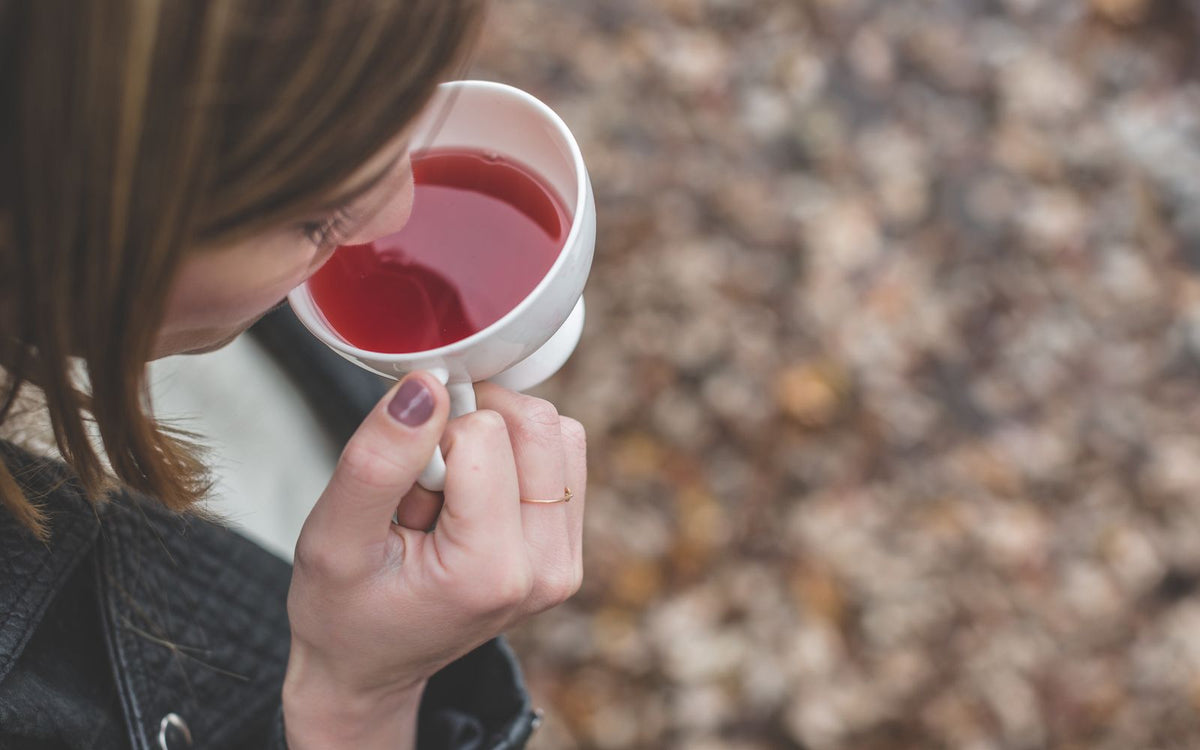
Woman enjoying wellness tea to boost immunity naturally

You take vitamin C when your sister sneezes. You panic-buy manuka honey at Shopee 11.11. By March the bottles are at the back of the cupboard, untouched. For most Malaysian women, the real way to boost immunity isn't a supplement run — it's the five habits below, repeated for weeks.

To boost immunity you have to feed the system that fights infection — a network of white blood cells, antibodies, lymph nodes and gut bacteria that works best when sleep, food and movement are steady. The Cleveland Clinic puts it plainly: no single food, pill or hack boosts immunity on its own. Lifestyle does.

What "boost immunity" actually means

Doctors don't talk about "boosting" an immune system that's already working — they talk about not dragging it down. A well-fed, well-rested body fights off most everyday viruses in a few days. A tired, under-nourished one takes two weeks and sometimes catches a bacterial second wave.

Malaysian woman holding a warm drink to boost immunity

7 ways to boost immunity naturally for Malaysian women

1. Protect 7 hours of sleep

Sleep is when your immune system makes memory T cells and cytokines. The NHS lists sleep debt as a direct risk factor for infection. If you can only change one thing to boost immunity this month, make it this one — in bed by 11, lights off, phone outside the room.

2. Half-plate vegetables, every main meal

The Pinggan Sihat Malaysia model is half vegetables and fruit per meal. That one habit alone covers your vitamin C, folate, fibre and most antioxidants — the raw material your immune cells build themselves from. Bayam at dinner. Pisang mas at breakfast. Done.

3. Move 150 minutes a week — moderate, not punishing

Brisk walking, laps in the condo pool, a short Zumba video. Three 50-minute sessions is enough. A review of exercise and immunity found that moderate movement lifts immune surveillance; it also found that extreme training can suppress it, so you don't need to overdo it to boost immunity.

4. Feed your gut

Roughly 70% of immune cells live along the gut lining. Fermented foods — tempeh, yogurt, kimchi, kefir, acar — plant fibre, and a bowl of oats or barley a few times a week nourish the bacteria that keep the gut wall tight.

5. Manage stress before it manages you

Chronic stress raises cortisol, and cortisol suppresses lymphocytes. You can't eliminate work and kids, but 10 minutes of a slow walk, a short meditation (Insight Timer has free ones in Malay), or a hot shower before bed drops cortisol enough to help.

6. Cut the sugar runs

White rice twice a day plus teh tarik plus kuih is a day of blood-sugar spikes. Each spike quietly dulls your immune cells for hours. You don't need to go keto; just swap one white carb for brown or barley daily.

7. Vitamin D if you work indoors

Malaysia is sunny, but office hours plus modest dress means many local women test low in vitamin D, which the immune system needs. Twenty minutes of forearms-and-face sunlight before 10am most days helps; a doctor-advised supplement if your blood work shows low levels.

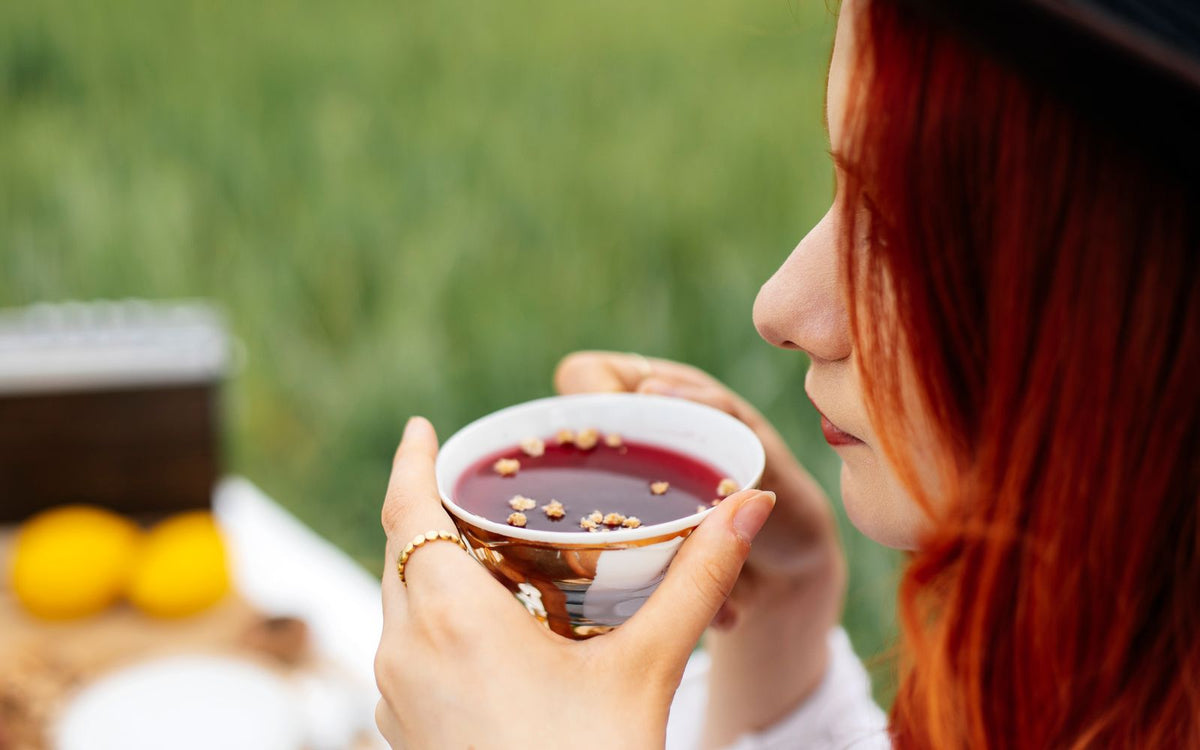
Woman outdoors with blanket enjoying a warm wellness beverage

Things that don't actually boost immunity

Megadose vitamin C (your body pees out what it can't use), single "superfoods" eaten once a week, immune-boost tea mixes with no science behind them, or any pill promising to "cure colds in 24 hours." The Singapore HealthHub guide explicitly calls out this gap between marketing and evidence.

When to boost immunity through a doctor instead

If you catch everything that goes around the office, if your wounds heal slowly, if you've had thrush more than three times this year, or if you feel exhausted no matter how much you sleep, see a GP. Thyroid problems, iron deficiency and uncontrolled diabetes all mimic a "weak immune system" and have specific fixes a supplement can't match.

Where Hishin Hemogreen fits in

Hishin Hemogreen 云芝仙人掌 is a KKM-registered botanical wellness drink for women, Japan-formulated and produced under ISO, GMP and HACCP certification. Each 8g sachet contains four plant-based ingredients:

Relaxed woman with scarf and warm drink supporting immunity

Stir one sachet into 150–200ml of warm (not hot) water each morning on an empty stomach. Hemogreen is meant to work alongside the habits above — not instead of them.

The bottom line on how to boost immunity

To boost immunity you repeat the quiet basics: sleep, half-plate vegetables, moderate movement, less sugar, less stress. Pick two to improve this week, hold them for a month, and reassess. If you want more on the energy side of this, see our guide on why Malaysian women are always tired.

Learn more about Hishin Hemogreen →

Individual results vary. Hishin Hemogreen is a dietary supplement, not a substitute for medication or medical advice. Not suitable for pregnant or breastfeeding women, children, or those allergic to mushrooms, seaweed, cactus, or soy. Please consult your doctor before starting any supplement, especially if you are on medication.

Daily wellness, from your first sip.

Hishin Hemogreen is a KKM-registered botanical wellness drink for women — four whole-plant ingredients, Japan-formulated. One sachet in warm water each morning.

Explore Hemogreen →
* Hishin Hemogreen is a dietary supplement, not a substitute for medication or medical advice. Not suitable for pregnant or breastfeeding women, children, or those allergic to mushrooms, seaweed, cactus, or soy. Individual results vary.
Haze

How Haze Season Weakens the Immune System for Malaysian Women

The Hemogreen Journal·October 2026·5 min read
Woman holding warm cup supporting immune system during haze season

The haze is back. Your throat is scratchy before 10am, your eyes burn by lunch, and that cold your colleague had on Monday is already on your doorstep. For Malaysian women, every haze season is a stress test for the immune system — and most of us fail it the same way, every year.

Your immune system is the network of cells, tissues and organs that keeps infections, pollutants and errant cells in check. For women it runs on a slightly different clock than it does for men — Cleveland Clinic notes that estrogen tends to amplify immune responses, which is why women fight off viruses faster but are also more prone to autoimmune flares. Haze makes everything harder.

Why haze season weakens the immune system

PM2.5 particles are small enough to slip past the hair-and-mucus guard in your nose and lodge deep in your lungs, where they trigger inflammation. Over weeks of readings in the "unhealthy" range, that low-grade inflammation drains the resources your immune system would normally spend on viruses and bacteria. The immune system is a budget, not a battery — if haze is spending it, infection fighting runs short.

Masks help with particles, but they don't help with the sleep loss, dry throat and skipped exercise that come with every KL haze. Those are the three things that quietly knock your immune system defenses down. For women it adds up faster: estrogen fluctuations in the second half of your cycle already give the immune system a bumpier ride than men's.

Woman holding warm drink to support immune system during haze season

6 reasons Malaysian women's immune system dips every haze

1. You stop walking outside

The 20-minute walk you used to take after dinner disappears when the API hits 150. Moderate exercise is one of the few things with clear immune system benefit; cutting it hurts the immune system more than people realise.

2. Air-conditioned offices dry your airways

Dry nasal passages let viruses stick. If your office cranks the aircon to 18°C to compensate for haze filters, your first line of immune system defense dries out before lunchtime.

3. Sleep gets choppy

The NHS lists sleep deprivation as a known immune system weakener. Haze nights are hotter (windows shut) and post-nasal drip wakes most women at least once. Two broken nights in a row and the immune system is already behind.

4. Comfort eating replaces balanced meals

When you don't want to leave the house, dinner becomes McD delivery and teh tarik from Grab. Three days of that and your zinc, vitamin C and fibre intake all drop at once — the three nutrients the immune system leans on hardest.

5. Stress stays elevated

Checking the API every two hours, worrying about the kids, re-washing masks — chronic stress raises cortisol, and cortisol suppresses the immune system over time.

6. You cancel the gym and the pool

Both are proven immune system boosts. Haze keeps you off both. By week two, your resting heart rate is higher, your mood is flatter, and the immune system is quietly running on fumes.

What actually helps the immune system during haze

Simple, boring, works:

  • Keep moving indoors. 20 minutes of YouTube yoga, stairs in your condo, mall-walking at a clean indoor space. The evidence on moderate exercise and immunity is one of the strongest in the field.
  • Sleep 7 hours, non-negotiable. If haze is waking you, run an air purifier in the bedroom and nothing else fancy.
  • Eat a Pinggan Sihat Malaysia plate daily — half vegetables and fruit, a quarter protein, a quarter carbs. It covers vitamin C, zinc and fibre by accident.
  • Hydrate warm. 2L a day of warm water, teh kosong, or ginger water keeps the mucus layer in your throat working.
  • Nasal rinse. A saline spray twice a day clears the PM2.5 that masks don't catch.
Malaysian woman with early cold symptoms during haze

When to see a doctor

If your cough lasts more than two weeks, you're wheezing at night, or you had a fever that lingered past three days, book a GP. Haze bronchitis can slide into pneumonia quietly, especially in women over 40 and anyone with existing asthma.

Where Hishin Hemogreen fits in your immune system routine

Hishin Hemogreen 云芝仙人掌 is a KKM-registered botanical wellness drink for women, Japan-formulated and produced under ISO, GMP and HACCP certification. Each 8g sachet contains four plant-based ingredients:

Woman resting on couch with warm wellness drink

Stir one sachet into 150–200ml of warm (not hot) water each morning on an empty stomach. Hemogreen is meant to work alongside the habits above, not instead of them.

The bottom line on your immune system this haze season

Haze punishes the small immune system habits that keep you well — sleep, movement, meals, water. Pick two to protect this week, don't try to be clever, and your immune system usually catches up. Boring beats haze.

Learn more about Hishin Hemogreen →

Individual results vary. Hishin Hemogreen is a dietary supplement, not a substitute for medication or medical advice. Not suitable for pregnant or breastfeeding women, children, or those allergic to mushrooms, seaweed, cactus, or soy. Please consult your doctor before starting any supplement, especially if you are on medication.

Daily wellness, from your first sip.

Hishin Hemogreen is a KKM-registered botanical wellness drink for women — four whole-plant ingredients, Japan-formulated. One sachet in warm water each morning.

Explore Hemogreen →
* Hishin Hemogreen is a dietary supplement, not a substitute for medication or medical advice. Not suitable for pregnant or breastfeeding women, children, or those allergic to mushrooms, seaweed, cactus, or soy. Individual results vary.
Bloating

How to Reduce Water Retention Naturally

The Hemogreen Journal·October 2026·5 min read
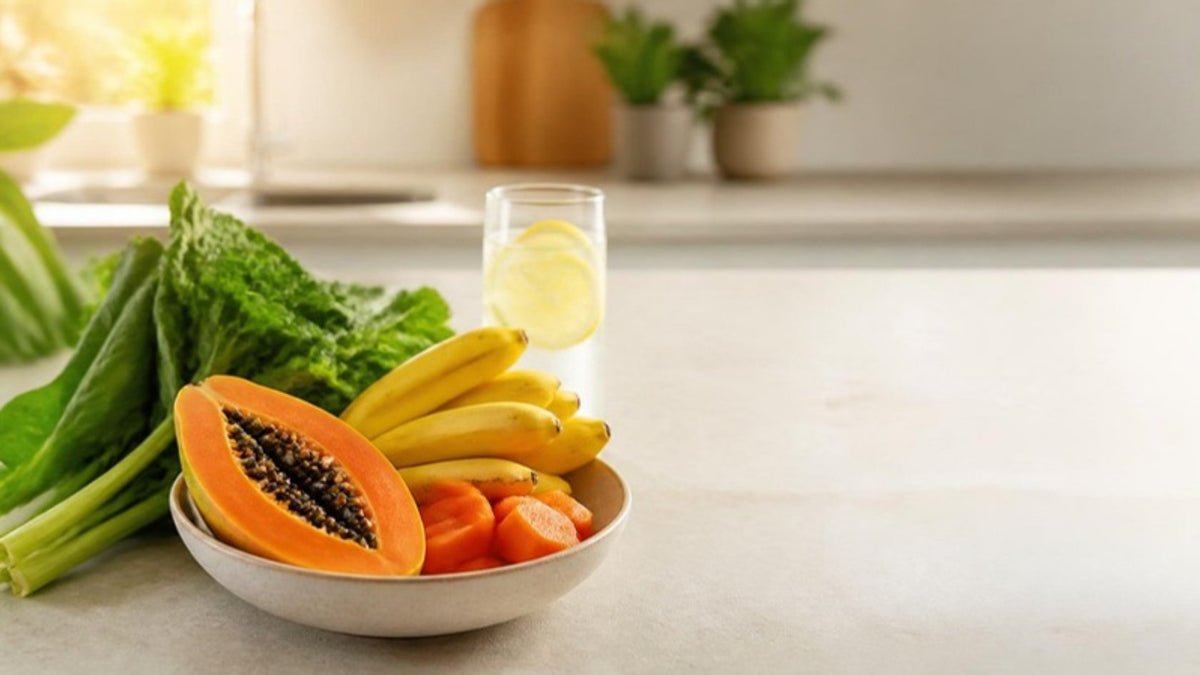
Fresh bowl of tropical fruit with water and leafy greens on a bright kitchen counter - reduce water retention naturally

You wake up with puffy fingers and your cincin wedding ring won't slide off. By 5pm your feet feel too big for your sandals. The scale swings 2 kg in a day. That's water retention — and for Malaysian women, it's often more about hormones and salt than fat.

Water retention is extra fluid that collects in the tissues under your skin, mostly in hands, ankles, feet and the lower belly. It's medically called oedema. For most women it's mild, cyclical, and tied to diet, hormones and movement — not a serious disease. The NHS lists the common causes as standing for long periods, pregnancy, PMS and salt — none of them something you can't nudge.

What water retention feels like

  • Rings and shoes feel tight by evening
  • Your face looks puffier in the morning photos
  • The scale jumps 1–2 kg overnight, then drops the next day
  • You press your shin and the dent stays for a few seconds
  • You feel bloated in the lower belly, especially before your period

If the puffiness is one-sided, painful, hot, or comes with breathlessness, that is a different problem — see a doctor the same day. Everything else below assumes we are talking about the ordinary, cyclical water retention most women deal with.

Bananas and glasses of water on a table to help reduce water retention

7 reasons Malaysian women get water retention

1. Too much salt

Our food is salty. One serve of nasi lemak kaw, soy sauce chicken rice, instant mee or kuay teow goreng can hit a full day's sodium in a single meal. Your body holds extra water to dilute the salt, and that water sits in your hands, ankles and belly.

2. Not enough potassium

Potassium balances sodium. Low intake makes water retention worse. Bananas, pisang mas, avocado, bayam, spinach, tomato, and plain coconut water all count. The Ministry of Health's Pinggan Sihat plate — half vegetables and fruit — hits potassium almost by accident.

3. Hormone shifts — PMS and perimenopause

A week before your period, progesterone drops and your body holds fluid. For women in perimenopause, this can get worse and more unpredictable. A small trial of magnesium supplementation found reductions in fluid retention, weight gain, swelling and breast tenderness in women with PMS — by the second cycle, not the first.

4. Sitting all day

Blood pools in the legs. Fluid leaks into the surrounding tissue. By 5pm, your ankles are puffy. Fifteen minutes of movement every hour — even just a walk to the pantry — keeps circulation going.

5. Not drinking enough water

Counterintuitive but true. When you're dehydrated, your body hoards water in case the drought continues. Aim for roughly 2L a day in the KL heat; a glass with every meal and one between does it.

6. Refined carbs

White rice, white bread, biscuits — each gram of stored carbohydrate holds about three grams of water. That's why cutting bread for a week drops kilos fast; most of it is water retention, not fat.

7. Underlying conditions

Heart, kidney, liver and thyroid problems can all cause water retention. So can some medications (steroids, blood pressure pills, hormonal contraceptives). If water retention is new, worsening, or lopsided, see a doctor.

How to reduce water retention step by step

Start here, in order:

  1. Cut obvious salt for two weeks. Soy sauce dishes, instant noodles, salted snacks. See if morning puffiness drops.
  2. Eat two potassium-rich foods a day. A banana at breakfast, bayam at dinner.
  3. Walk 10 minutes every two hours if you sit for work — a kopi-run around the office is enough.
  4. Drink roughly 2L of water a day — chilled, warm, kosong tea, all count.
  5. Elevate your legs 15 minutes before bed. Flat on the floor, legs up against the wall.
  6. Track two cycles. If water retention is worst in the week before your period, PMS is the driver, not your diet.

When water retention needs a doctor

See a GP if water retention is new in both legs, worsening, painful, hot or red; comes with breathlessness, chest pain or weight gain of 2+ kg in a few days; is only on one side; or doesn't settle after two weeks of these changes. A 2025 Malaysian survey covered by The Star found that women often normalise swelling and fatigue, which delays diagnosis of thyroid and other causes.

Sparkling water glass with raspberries and lemon slice for daily hydration

Where Hishin Hemogreen fits in

Daily lifestyle changes do the heavy lifting on water retention. Some women look for gentle, daily nutritional support alongside — especially when the cycle-related puffiness and afternoon fatigue seem to arrive together.

Hishin Hemogreen 云芝仙人掌 is a KKM-registered botanical wellness drink for women, Japan-formulated and produced under ISO, GMP and HACCP certification. Each 8g sachet contains four plant-based ingredients:

Stir one sachet into 150–200ml of warm (not hot) water each morning on an empty stomach. Hemogreen is meant to work alongside the habits above — not instead of your doctor's advice.

The bottom line on water retention

Most everyday water retention has an everyday fix: less salt, more potassium, more movement, enough water. Pick two changes this week, hold them for two cycles, and reassess. If the puffiness is new, lopsided or getting worse, don't wait — book a doctor's visit.

Learn more about Hishin Hemogreen →

Individual results vary. Hishin Hemogreen is a dietary supplement, not a substitute for medication or medical advice. Not suitable for pregnant or breastfeeding women, children, or those allergic to mushrooms, seaweed, cactus, or soy. Please consult your doctor before starting any supplement, especially if you are on medication.

Daily wellness, from your first sip.

Hishin Hemogreen is a KKM-registered botanical wellness drink for women — four whole-plant ingredients, Japan-formulated. One sachet in warm water each morning.

Explore Hemogreen →
* Hishin Hemogreen is a dietary supplement, not a substitute for medication or medical advice. Not suitable for pregnant or breastfeeding women, children, or those allergic to mushrooms, seaweed, cactus, or soy. Individual results vary.
Always tired

Why Am I Always Tired? 7 Causes for Malaysian Women

The Hemogreen Journal·October 2026·5 min read
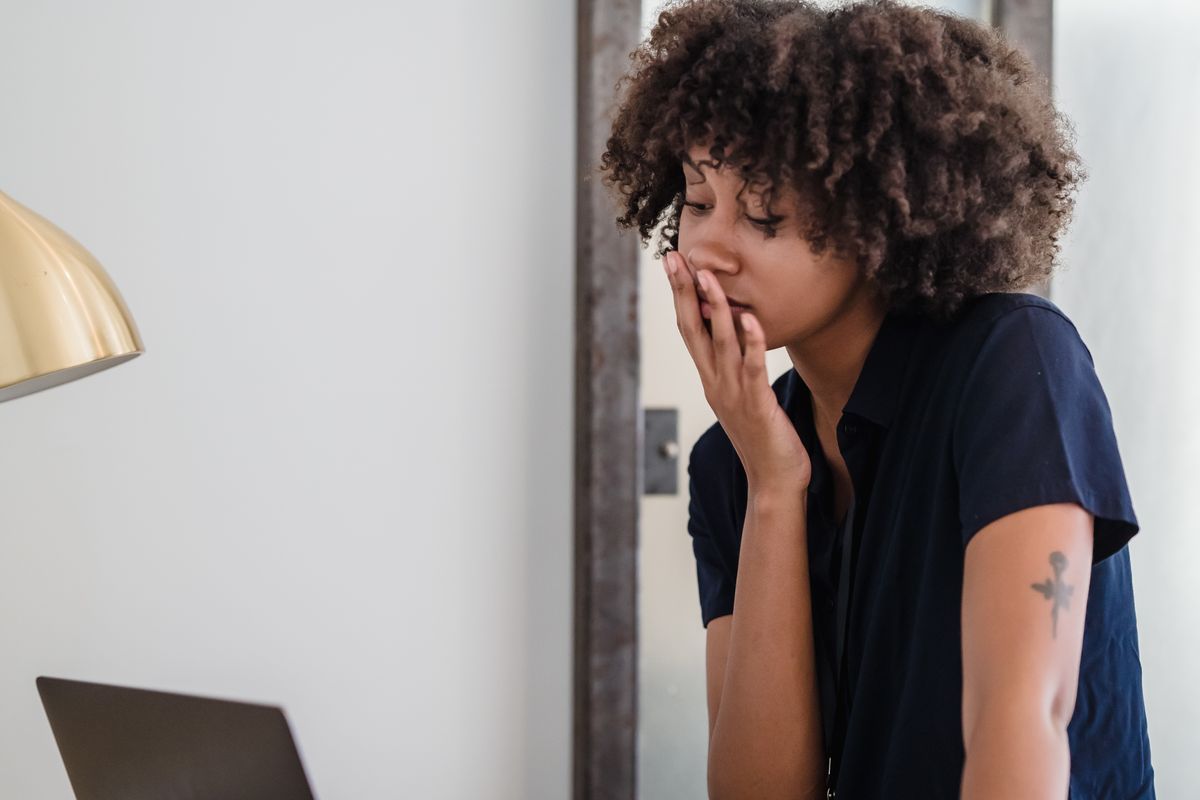
Malaysian woman at desk resting her chin on her hand - always tired fatigue in women

You slept eight hours. You had kopi O at 7am and kopi susu at 11. By 2pm you're yawning at your laptop. By 6pm you can barely finish buying groceries. "Why am I always tired?" is one of the most common questions Malaysian women bring to their GP — and the answer is almost never "you need more sleep."

Feeling always tired isn't the same as being sleepy. Sleepy means you need rest; always tired means your energy tank doesn't refill no matter what you do. The NHS calls it "feeling tired all the time" and lists it as one of the top reasons people see a GP.

What "always tired" actually means

Doctors distinguish three things: short-term tiredness (fixed by rest), fatigue (lasts weeks, affects daily life), and chronic fatigue (over six months, often with other symptoms). If you've been always tired for more than two weeks and good sleep doesn't fix it, that is fatigue — and it has a cause worth finding.

Malaysian woman yawning at a work desk in the afternoon

7 reasons Malaysian women are always tired

1. Iron deficiency from heavy periods

The biggest culprit by far. Heavy or long periods pour iron out monthly; without enough iron, your blood can't carry enough oxygen, and you feel always tired. A Cochrane review of iron supplementation in menstruating women found daily iron reduced anaemia and symptomatic fatigue. Ask your GP for a ferritin test, not just a basic blood count.

2. Underactive thyroid

Thyroid problems disproportionately affect women. Signs beyond always tired: cold hands and feet, dry skin, hair thinning, weight creeping up for no reason, constipation. One blood test — TSH — screens for it.

3. Perimenopause

If you're in your 40s and feeling always tired alongside irregular periods, broken sleep and mood swings, this is likely perimenopause. A 2025 Malaysian survey covered by The Star found fatigue was the top complaint among Malay women in perimenopause — more common than hot flushes.

4. Blood sugar roller coaster

The nasi lemak crash is real. A big bowl of white rice, kuih and sweet teh tarik spikes your blood sugar; the dip that follows feels like a wall of fatigue. Add protein and fibre to every meal — eggs with your roti, chicken with your rice — and the "always tired" afternoon slump often eases.

5. Sleep apnea

Loud snoring. Waking up gasping. Daytime sleepiness no matter how long you were in bed. Sleep apnea is often missed in women because it's labelled a "man's problem." If your partner says you snore and you wake up tired, ask about a sleep study.

6. Chronic stress and burnout

Cortisol wears your system down. Juggling kids, work, aging parents, finances — your body stays in "alert" mode and never fully recovers. Fatigue of this type comes with poor sleep, irritability and that "wired but tired" feeling at bedtime.

7. Nutrient gaps — vitamin D and B12

Malaysia is sunny, but office work plus modest dress means many of us are low on vitamin D. B12 is low in people who eat little meat or fish. Both show up as fatigue and brain fog. A simple blood test confirms, and inexpensive supplements fix it — under a doctor's guidance.

When "always tired" needs a doctor and tests

See a GP if you have been always tired for more than two weeks AND any of these apply:

  • You are losing weight for no reason, or gaining it
  • Your periods are heavy or very irregular
  • You wake up gasping or your partner says you stop breathing at night
  • You are low in mood or have lost interest in things you used to enjoy
  • You bruise easily or notice unusual bleeding

Ask for a basic panel: full blood count, ferritin, TSH, HbA1c, vitamin D, B12. That one blood draw solves most of the "always tired" cases we see.

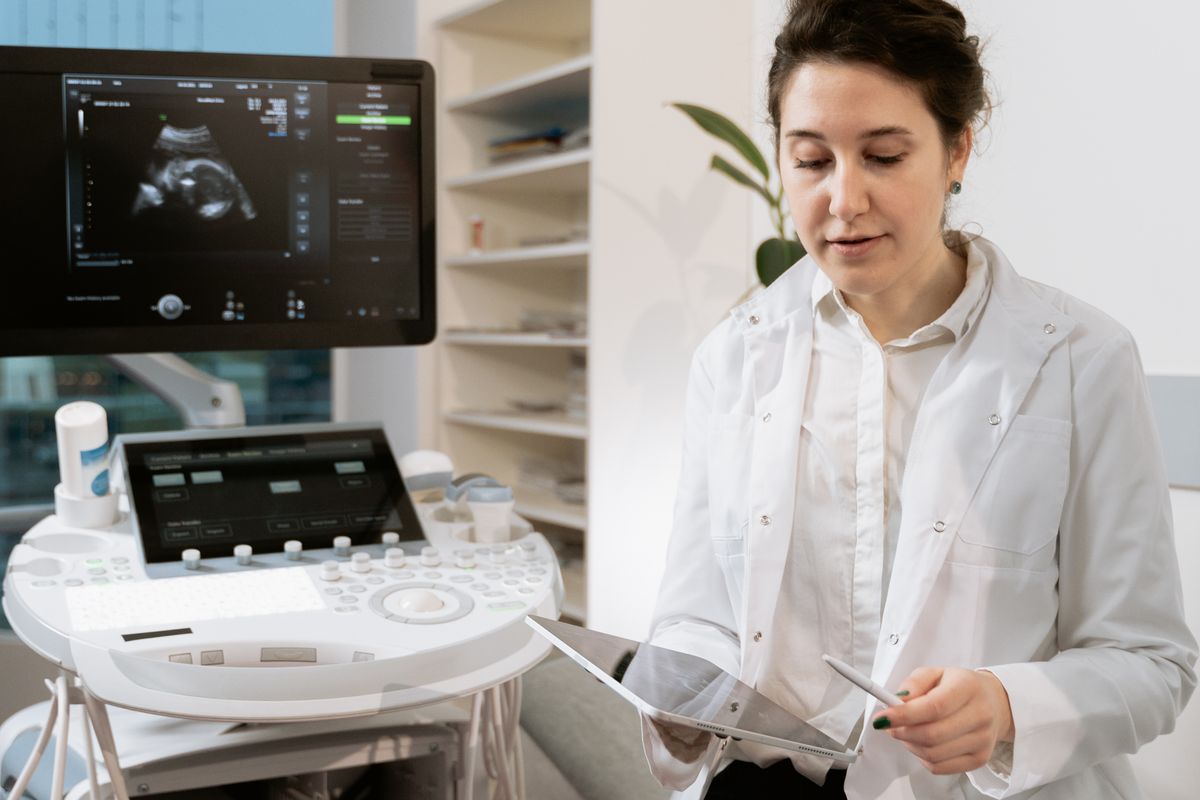
Female clinician reviewing medical scans for persistent fatigue

Where Hishin Hemogreen fits in

Supplements don't fix anaemia, thyroid or sleep apnea. But many of our customers tell us that once their blood work came back fine and they still felt flat, adding a gentle daily wellness drink gave their mornings a lift they can actually feel.

Hishin Hemogreen 云芝仙人掌 is a KKM-registered botanical wellness drink for women, Japan-formulated and produced under ISO, GMP and HACCP certification. Each 8g sachet contains four plant-based ingredients:

Stir one sachet into 150–200ml of warm (not hot) water each morning, ideally before breakfast. Hemogreen is meant to work alongside the medical investigations above — not instead of them.

The bottom line on being always tired

Always tired is a symptom, not a diagnosis. Nine times out of ten, it's one of the seven causes above — and seven of those have a cheap, specific fix. Start with a blood test this month. In part two, we look at the other side of the same coin: the morning puffiness and water retention that so often come with being always tired.

Learn more about Hishin Hemogreen →

Individual results vary. Hishin Hemogreen is a dietary supplement, not a substitute for medication or medical advice. Not suitable for pregnant or breastfeeding women, children, or those allergic to mushrooms, seaweed, cactus, or soy. Please consult your doctor before starting any supplement, especially if you are on medication.

Daily wellness, from your first sip.

Hishin Hemogreen is a KKM-registered botanical wellness drink for women — four whole-plant ingredients, Japan-formulated. One sachet in warm water each morning.

Explore Hemogreen →
* Hishin Hemogreen is a dietary supplement, not a substitute for medication or medical advice. Not suitable for pregnant or breastfeeding women, children, or those allergic to mushrooms, seaweed, cactus, or soy. Individual results vary.
Menstrual health

How to Regulate Your Periods Naturally

The Hemogreen Journal·October 2026·5 min read
Malaysian woman journaling at a quiet table - how to regulate periods naturally

You cut sugar. You did yoga for three months. You even bought those period-tracking apps. Your cycle is still all over the place. If you're trying to regulate periods and feeling like nothing works, this is for you.

Here's the honest part first: you cannot always regulate periods back to clockwork, and sometimes the issue is a medical one that supplements and lifestyle can't fix. But if you have already ruled out the serious causes, these habits give the best shot of nudging your cycle back to a steadier rhythm.

Why it takes time to regulate periods naturally

Your menstrual cycle is set in motion three to four months before the period you are bleeding. That means a change today — better sleep, less stress, more food — shows up on your calendar in three cycles, not three days. The NHS advice is to track for at least three months before deciding something isn't working. Patience is a feature, not a bug.

Planner and phone used to build daily habits that regulate periods

7 ways to regulate periods naturally

1. Track your cycle first — three months minimum

Before you try to regulate periods, know the pattern. A notebook, or an app like Flo or Clue. Mark day of bleeding, flow, mood, sleep, stress. Three months of data tells a doctor more than any single visit.

2. Keep a sleep schedule — even on weekends

Your reproductive hormones are tied to your sleep clock. Going to bed at midnight on weekdays and 3am on Saturday jet-lags your body every week. Pick a bedtime window of 90 minutes and stick to it. Many women say this is the single biggest thing that helped them regulate periods.

3. Eat enough — stop the crash diets

Low-calorie diets, keto extremes, skipping meals — all can throw off ovulation. Aim for three balanced meals a day. The Ministry of Health's Pinggan Sihat is the simplest template: half the plate vegetables, a quarter whole grains, a quarter protein. Add healthy fats (fish, nuts, avocado).

4. Move your body — yoga especially

A randomised trial of 40 nursing students with painful periods found that 12 weeks of once-weekly yoga reduced menstrual cramps and distress significantly compared with the control group. You don't need a studio — YouTube beginner yoga, 15 minutes, after work. Walking also counts if yoga isn't your thing.

5. Lower your stress load

Cortisol competes with your reproductive hormones. If stress is chronic, your body deprioritises ovulation. You can't erase life, but you can protect one evening a week that is actually yours — no WhatsApp replies, no laundry. Over time, less stress helps regulate periods.

6. Check your iron and vitamin D

Heavy periods drain iron; low iron worsens fatigue which worsens stress which worsens cycles. Ask your GP for a ferritin and vitamin D test. If low, supplementation under medical advice is cheap and can quietly shift things over 3–6 months.

7. Cut back on alcohol and shisha

Both are liver stressors, and your liver is where your body clears excess hormones. One or two drinks a week is probably fine; one or two every evening isn't. If you quit alcohol for three months and see no change, you can always go back — but many women are surprised.

When natural methods aren't enough to regulate periods

If you have tried three months of consistent habits and your periods are still unpredictable — or if they are heavy, very painful, or missing for 90 days — see a GP. A 2025 Malaysian survey covered by The Star found that many local women delay seeing a doctor for menstrual issues; underlying thyroid problems, PCOS or perimenopause won't go away on their own. The Malaysian Menopause Society even keeps a registry called MenoDoc if you need a midlife-trained doctor.

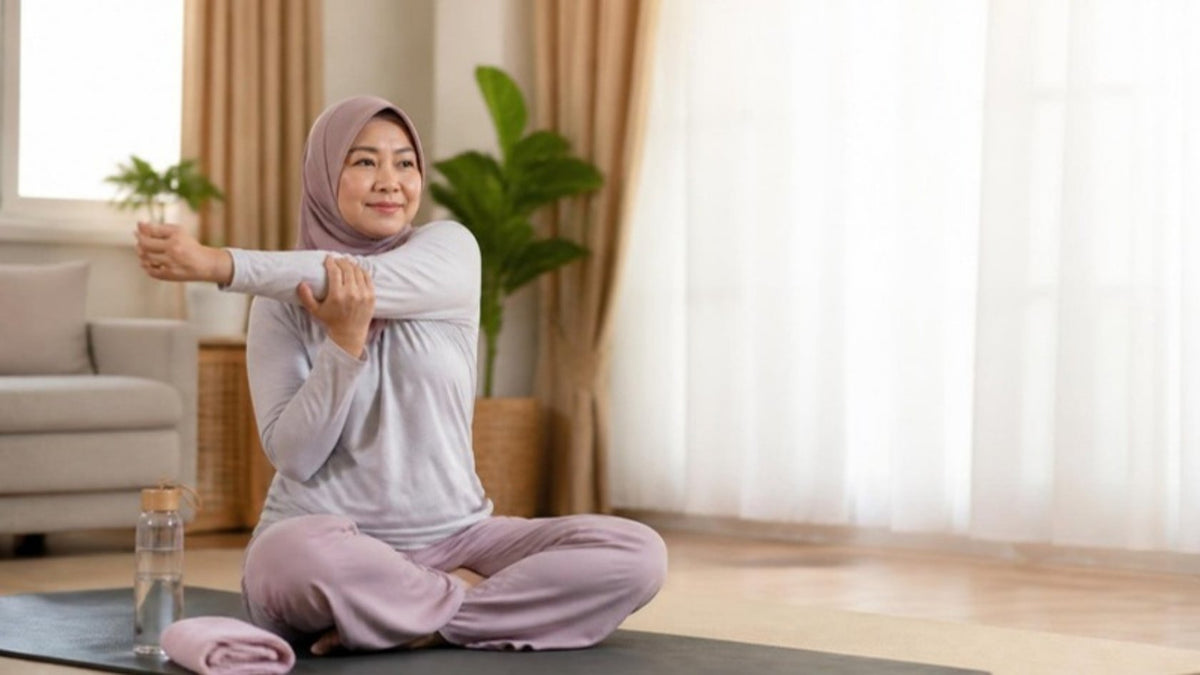
Malaysian woman practising yoga on a mat at home to regulate periods

Where Hishin Hemogreen fits in your routine

Supplements won't rewrite your cycle. But many of our customers tell us that pairing a daily wellness drink with the habits above gave them something easy to actually stick to — the one morning ritual that didn't require willpower.

Hishin Hemogreen 云芝仙人掌 is a KKM-registered botanical wellness drink for women, Japan-formulated and produced under ISO, GMP and HACCP certification. Each 8g sachet contains four whole-plant ingredients:

Stir one sachet with 150–200ml of warm (not hot) water every morning, ideally on an empty stomach. Hemogreen is meant to work alongside the habits above — and alongside, not instead of, your doctor's advice.

The bottom line on how to regulate periods

Three months. One habit at a time. See a doctor if nothing shifts. Most women can nudge their cycle back toward a steadier rhythm with sleep, food, movement, less stress and some patience. If you've been reading this because your periods have been off for a while, start with sleep this week — then come back for the next one.

Learn more about Hishin Hemogreen →

Individual results vary. Hishin Hemogreen is a dietary supplement, not a substitute for medication or medical advice. Not suitable for pregnant or breastfeeding women, children, or those allergic to mushrooms, seaweed, cactus, or soy. Please consult your doctor before starting any supplement, especially if you are on medication.

Daily wellness, from your first sip.

Hishin Hemogreen is a KKM-registered botanical wellness drink for women — four whole-plant ingredients, Japan-formulated. One sachet in warm water each morning.

Explore Hemogreen →
* Hishin Hemogreen is a dietary supplement, not a substitute for medication or medical advice. Not suitable for pregnant or breastfeeding women, children, or those allergic to mushrooms, seaweed, cactus, or soy. Individual results vary.
Irregular periods

Why Is My Period Irregular? 8 Causes for Malaysian Women

The Hemogreen Journal·October 2026·5 min read
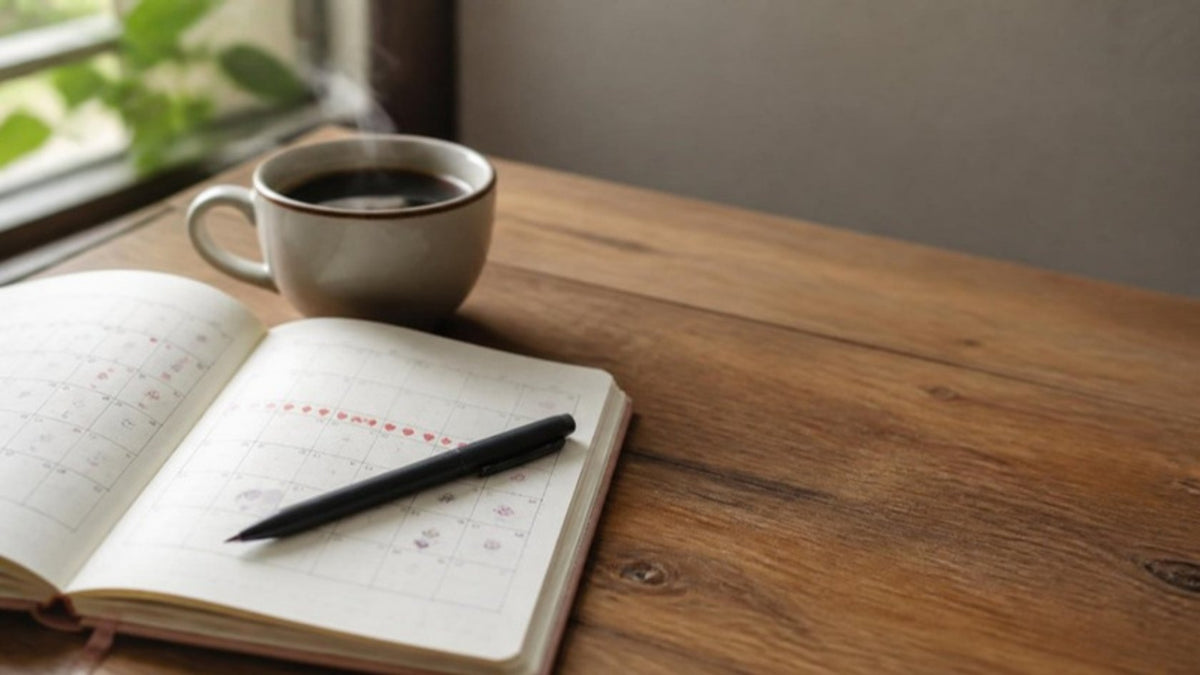
Period tracking notebook with coffee on wooden table - irregular periods causes

Your period came, then didn't. 42 days gap. Then 24. Then 60. You take a pregnancy test — negative. You tell your makcik and she says, "Normal lah, every woman also like that." But is it? Here's what actually causes irregular periods in Malaysian women.

A regular cycle lands somewhere between 21 and 35 days. The NHS defines irregular periods as cycles outside that window, or with a changing pattern — gap of 21 days one month, 45 the next. One-off oddness happens to everyone. The pattern worth paying attention to is irregular periods that go on for three cycles or more.

What count as irregular periods

Doctors look at four things: how far apart your periods are, how long each period lasts, how heavy the flow is, and whether that pattern changes. Any big shift — much shorter cycle, flooding, long gaps, bleeding between periods — makes periods "irregular." The NHS flags cycles under 21 days or over 35, and periods lasting longer than seven days.

Weekly planner and phone used for tracking irregular periods

8 common causes of irregular periods in Malaysian women

1. Chronic stress

KL traffic, two kids, a boss who texts after 10pm. Stress raises cortisol, which messes with the hormones that trigger ovulation. No ovulation that cycle, no normal period. Stress is one of the most common and most under-recognised causes of irregular periods.

2. Weight changes — up or down

Both significant weight loss and gain can throw off periods. Body fat helps make estrogen; too little or too much tips the balance. Malaysia's NHMS 2019 found that about half of adults are overweight or obese, which is one reason PCOS-linked irregular periods are so common here.

3. Polycystic Ovary Syndrome (PCOS)

PCOS is one of the leading causes of irregular periods worldwide, especially in Asian women. Signs that go with it: acne, extra facial or body hair, weight that won't shift from the belly, trouble conceiving. A GP can order a blood test and ultrasound.

4. Thyroid problems

An underactive or overactive thyroid can quietly cause irregular periods along with fatigue, cold hands, hair loss or unexplained weight change. One blood test — TSH — tells you.

5. Perimenopause

If you are in your late 30s or 40s, irregular periods are often the first sign of perimenopause — the hormonal transition before menopause. The Malaysian average age for menopause is around 51, with the transition starting up to ten years earlier.

6. Over-training or under-eating

Marathon training, strict diets, or both. Your body reads it as a crisis and switches off reproduction. Periods become light, short, or stop altogether. Scaling back the intensity usually brings irregular periods back to regular.

7. Hormonal birth control, starting or stopping

The pill, injections, implants and some IUDs change the cycle by design. When you stop them, it can take three to six months before natural periods settle. During that reset, irregular periods are normal.

8. Fibroids, endometriosis, or infection

Benign uterine growths and endometriosis both cause heavy, long, or painful periods. Pelvic infection can cause spotting or extra-long bleeding. All of these need a gynae visit, not supplements.

Why irregular periods matter beyond the inconvenience

Beyond the lifestyle headache, heavy or long irregular periods are a leading cause of iron deficiency in women. A Cochrane review of iron supplementation in menstruating women found that daily iron reduced anaemia and improved symptomatic fatigue — a reminder that irregular periods and tiredness are often linked, not separate problems.

When irregular periods need a doctor, not patience

  • Periods stop for 90 days and you are not pregnant or breastfeeding
  • Cycles under 21 days or over 35, for three cycles running
  • Bleeding so heavy you soak through a pad in under an hour
  • Bleeding between periods, or after sex
  • Periods that last longer than seven days
  • Any bleeding after your periods had already stopped for a year
Woman doctor consulting a patient about irregular periods

Where Hishin Hemogreen fits in

Supplements can't fix irregular periods caused by PCOS, fibroids, thyroid, or perimenopause — those need a doctor. But many women look for gentler, daily nutritional support alongside their doctor's plan, especially when fatigue is part of the picture.

Hishin Hemogreen 云芝仙人掌 is a KKM-registered botanical wellness drink for women, Japan-formulated and produced under ISO, GMP and HACCP certification. Each 8g sachet combines four whole-plant ingredients:

Mix one sachet with 150–200ml of warm (not hot) water each morning. Hemogreen is meant to work alongside — not instead of — your doctor's advice.

The bottom line on irregular periods

Irregular periods are rarely "nothing" and rarely "serious" — they are usually a signal that something upstream (stress, weight, thyroid, PCOS, perimenopause) is off. Track three cycles, see a GP, and don't let anyone tell you it is just normal to bleed heavily. In part two, we share practical ways Malaysian women can nudge irregular periods back to a steadier rhythm.

Learn more about Hishin Hemogreen →

Individual results vary. Hishin Hemogreen is a dietary supplement, not a substitute for medication or medical advice. Not suitable for pregnant or breastfeeding women, children, or those allergic to mushrooms, seaweed, cactus, or soy. Please consult your doctor before starting any supplement, especially if you are on medication.

Daily wellness, from your first sip.

Hishin Hemogreen is a KKM-registered botanical wellness drink for women — four whole-plant ingredients, Japan-formulated. One sachet in warm water each morning.

Explore Hemogreen →
* Hishin Hemogreen is a dietary supplement, not a substitute for medication or medical advice. Not suitable for pregnant or breastfeeding women, children, or those allergic to mushrooms, seaweed, cactus, or soy. Individual results vary.
Menopause

How to Manage Perimenopause Symptoms Naturally

The Hemogreen Journal·October 2026·4 min read
Malaysian woman doing a gentle morning yoga stretch at home - natural perimenopause symptoms relief

You've figured out you're in perimenopause. Now what? You don't want to jump straight to HRT, but Instagram "supplements" feel like a scam. The honest answer: a handful of lifestyle changes do more for perimenopause symptoms than any single pill.

Perimenopause symptoms — hot flushes, broken sleep, mood swings, joint ache, brain fog — don't all respond to the same thing. But a surprising amount of evidence points to simple, boring habits as the first line. The NHS says the same: lifestyle changes often come first, with medication added only when symptoms are severe.

Why lifestyle matters most for perimenopause symptoms

Guardian Malaysia's 2026 nationwide survey found that about 3.59 million Malaysian women aged 35–49 will cycle through perimenopause in the next decade — most of them without ever seeing a specialist. That makes everyday habits the biggest lever. The good news: a lot of women tell us the same two or three changes shifted their perimenopause symptoms more than they expected.

Healthy breakfast bowl with yogurt kiwi and berries for perimenopause nutrition

7 ways to manage perimenopause symptoms naturally

1. Move every day — even 20 minutes counts

A brisk walk around your taman after dinner, a mahjong-break stretch, or climbing the stairs at the LRT. Regular movement is linked with better mood, sleep and energy during perimenopause. The NHS specifically recommends weight-bearing activity because bone density starts to drop in the perimenopause years.

2. Add strength training twice a week

Even light dumbbells or body-weight squats at home. Perimenopause is when muscle mass starts dropping — holding on to it protects your metabolism and your knees. Two 20-minute sessions is enough to start.

3. Rethink your plate — Pinggan Sihat style

Follow the Ministry of Health's Pinggan Sihat Malaysia: half the plate vegetables, a quarter whole grains, a quarter protein. Lean fish or chicken, more sayur campur, less nasi lemak lebih. The kurang manis habit for your teh tarik also helps steady energy, which many women say eases their perimenopause fatigue.

4. Protect your sleep like it is your job

Night sweats are classic perimenopause symptoms, so stack the deck in your favour: cool bedroom, cotton PJs, no phone after 10pm, and cut caffeine by 2pm. The subuh wake-up is harder to prevent, but a dark bedroom, white noise, and no screens if you wake, help you drift back.

5. Try soy foods — not pills

Soy milk, tempeh, tofu and taufu fah contain isoflavones, a plant compound similar to estrogen. The evidence is mixed: a 2025 meta-analysis of 12 trials in perimenopausal women found an overall benefit for symptoms like headaches, mood and palpitations, but not for hot flashes specifically. Whole-food soy is cheap, safe for most people, and a sensible first try.

6. Cut alcohol and reduce caffeine

Both are classic hot-flush triggers and both wreck sleep. You don't need to go dry — just see what happens when you drop evening wine and switch to kopi kosong before noon.

7. Lean on your sisterhood

Your makcik, your cousins, your WhatsApp group — someone else is going through this too. A 2025 Malaysian survey covered by The Star found that fatigue, mood swings and brain fog are what local women report most, far more than hot flashes. Naming perimenopause symptoms out loud, together, is already therapeutic.

When to see a doctor about perimenopause symptoms

Lifestyle changes aren't a magic cure. See a GP if perimenopause symptoms interfere with work, your periods become very heavy or last more than seven days, you have severe low mood, or you notice bleeding after a long gap. The Malaysian Menopause Society maintains MenoDoc, a registry of menopause-trained doctors, if your usual GP is not familiar with midlife care.

Malaysian woman doing gentle morning yoga stretches at home

Where Hishin Hemogreen fits in

Many of our customers are already walking, eating well and sleeping better — and still feel foggy or puffy in the mornings. That's when some add a nutritional top-up alongside their routine.

Hishin Hemogreen 云芝仙人掌 is a KKM-registered botanical wellness drink for women, Japan-formulated and made under ISO, GMP and HACCP standards. Each 8g sachet brings four plant-based ingredients:

Stir one sachet into 150–200ml of warm (not hot) water each morning, ideally on an empty stomach. Hemogreen works together with the lifestyle habits above — not instead of your doctor's advice.

The bottom line on managing perimenopause symptoms

You don't need to overhaul your life to feel better during perimenopause. Pick one or two of these habits — the easiest ones — and keep them for a month. Then layer on the next. Perimenopause symptoms respond to consistency, not drama.

Learn more about Hishin Hemogreen →

Individual results vary. Hishin Hemogreen is a dietary supplement, not a substitute for medication or medical advice. Not suitable for pregnant or breastfeeding women, children, or those allergic to mushrooms, seaweed, cactus, or soy. Please consult your doctor before starting any supplement, especially if you are on medication.

Daily wellness, from your first sip.

Hishin Hemogreen is a KKM-registered botanical wellness drink for women — four whole-plant ingredients, Japan-formulated. One sachet in warm water each morning.

Explore Hemogreen →
* Hishin Hemogreen is a dietary supplement, not a substitute for medication or medical advice. Not suitable for pregnant or breastfeeding women, children, or those allergic to mushrooms, seaweed, cactus, or soy. Individual results vary.
Menopause

What Is Perimenopause? A Guide for Malaysian Women

The Hemogreen Journal·October 2026·5 min read
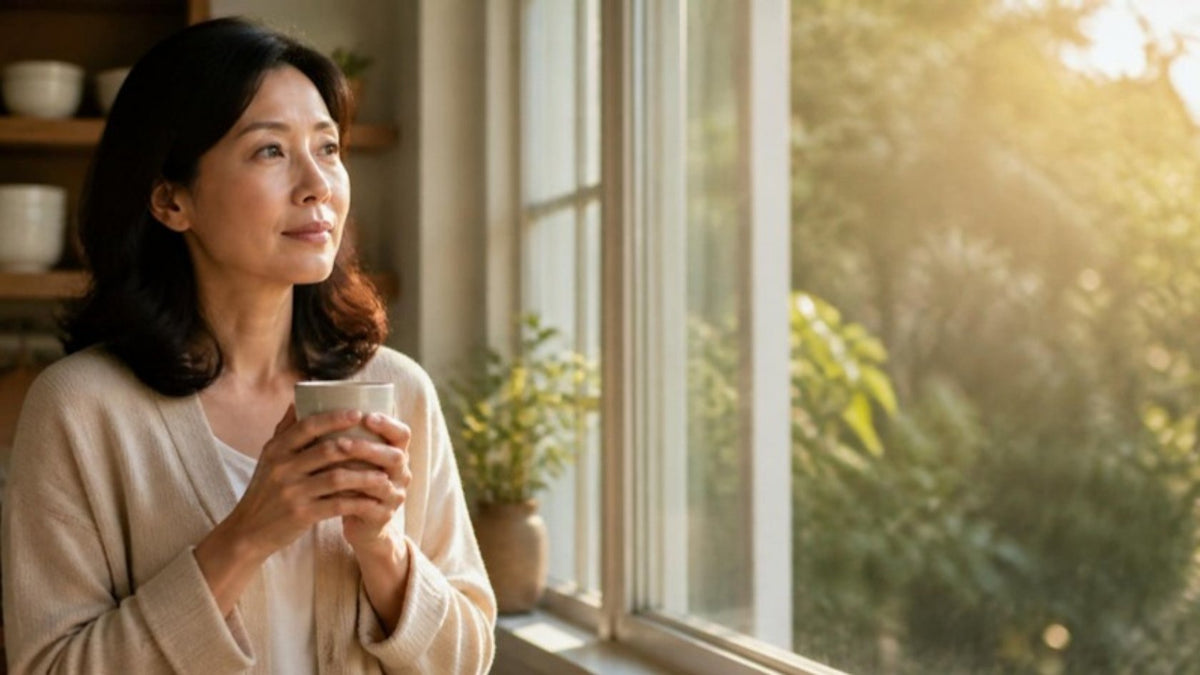
Malaysian woman in her 40s at a kitchen window holding a warm mug - perimenopause awareness

You are 45. Your period came 42 days late, you can't sleep past 3am, and you were short with your kids this morning for no reason. You tell yourself you are just stressed. You might be in perimenopause.

Perimenopause is the transition before menopause, when ovarian hormones start to fluctuate. In Malaysia the average woman reaches menopause at about 50.7 years, and perimenopause can start up to a decade before that — so your mid-30s to late-40s are prime perimenopause years, not "too young."

Why Malaysian women miss perimenopause signs

Guardian Malaysia estimates that 3.59 million Malaysian women aged 35 to 49 will go through perimenopause over the next decade. Yet many never put a name to perimenopause. In their nationwide survey, hot flushes were often blamed on the KL weather, and mood changes were brushed off as personality or stress.

A 2025 Malaysian survey covered by The Star found that for local women in perimenopause, joint pain, sleep problems, brain fog, mood swings and digestive issues were more common than the classic Western hot flush. Among Malay women, fatigue was the most frequent perimenopause complaint. If you have been Googling your symptoms one by one — sleep, period, mood, tiredness — perimenopause may be the thread tying them together.

Woman journaling her perimenopause symptoms in a notebook

7 common signs of perimenopause in Malaysian women

  • Periods that lose their rhythm. Perimenopause cycles come 20 days apart, then 50; flow is lighter one month, floods the next.
  • Night sweats that soak the pillow even with the fan on and aircon at 24°C.
  • Waking at 3–4 am and lying awake until the subuh azan — a very common perimenopause pattern.
  • Short fuse with your kids, your spouse, your makcik at the pasar — then guilt afterwards.
  • Brain fog: you walked to the kitchen for something and now cannot remember what.
  • Joint aches in the fingers, knees or hips, especially mornings.
  • Fatigue that no amount of kopi fixes — the kind that comes back by lunch.

Any one of these on its own is nothing special. Three or four at the same time, in your 40s, when your cycles are also drifting, is the pattern worth paying attention to. The NHS lists these same clusters as the main perimenopause changes, which doctors confirm by your symptoms and age, not usually by a blood test.

Why perimenopause feels like your body is working against you

During perimenopause, estrogen and progesterone no longer rise and fall predictably. That ripple hits almost every system — temperature control, sleep, mood, bone turnover, even your gut. It is not in your head. One 2025 meta-analysis of 12 trials in perimenopausal women found that perimenopause symptoms are broad — headaches, mood, palpitations, depression — not just the hot flashes most of us associate with "the change."

What to do when you suspect perimenopause

Track your periods and perimenopause symptoms for three months. Something as simple as a notebook or a phone app that marks period, mood, sleep and energy. Then see a GP you trust — ask specifically about perimenopause, not "my period is weird." Rule out thyroid and iron with a blood test, since those symptoms overlap. If you need a doctor familiar with midlife care, the Malaysian Menopause Society keeps a registry called MenoDoc.

Once perimenopause is on the table, your plan becomes clearer: sleep hygiene, strength training for bones, calcium and vitamin D for later, less alcohol and caffeine late in the day, and nutritional support that works alongside — not instead of — what your doctor recommends for perimenopause.

Malaysian woman holding her head during a perimenopause brain fog moment

Where Hishin Hemogreen fits in your perimenopause routine

Many women tell us the hardest part of perimenopause is simply feeling off every day — tired, puffy, foggy, run-down. That is where some add nutritional support alongside the lifestyle changes above.

Hishin Hemogreen 云芝仙人掌 is a KKM-registered botanical wellness drink for women, formulated in Japan and produced under ISO, GMP and HACCP certifications. Each 8g sachet brings together four whole-plant ingredients:

Mix one sachet with 150–200ml of warm (not hot) water, first thing in the morning. Hemogreen works alongside the habits above, not instead of your doctor's advice.

The bottom line on perimenopause

Perimenopause is not a sudden stop; it is a long, often confusing transition. If you are a Malaysian woman in your late 30s or 40s and your body feels like someone changed the dial without telling you, perimenopause is likely the reason — and knowing that is already half the battle. Track, test, talk to a doctor, and support your body gently. In part two, we share seven practical things Malaysian women can do today to feel better in perimenopause.

Learn more about Hishin Hemogreen →

Individual results vary. Hishin Hemogreen is a dietary supplement, not a substitute for medication or medical advice. Not suitable for pregnant or breastfeeding women, children, or those allergic to mushrooms, seaweed, cactus, or soy. Please consult your doctor before starting any supplement, especially if you are on medication.

Daily wellness, from your first sip.

Hishin Hemogreen is a KKM-registered botanical wellness drink for women — four whole-plant ingredients, Japan-formulated. One sachet in warm water each morning.

Explore Hemogreen →
* Hishin Hemogreen is a dietary supplement, not a substitute for medication or medical advice. Not suitable for pregnant or breastfeeding women, children, or those allergic to mushrooms, seaweed, cactus, or soy. Individual results vary.